



★★★★★
“Feels like a part of France has come into our home and given much pleasure.”
Verified Reviewer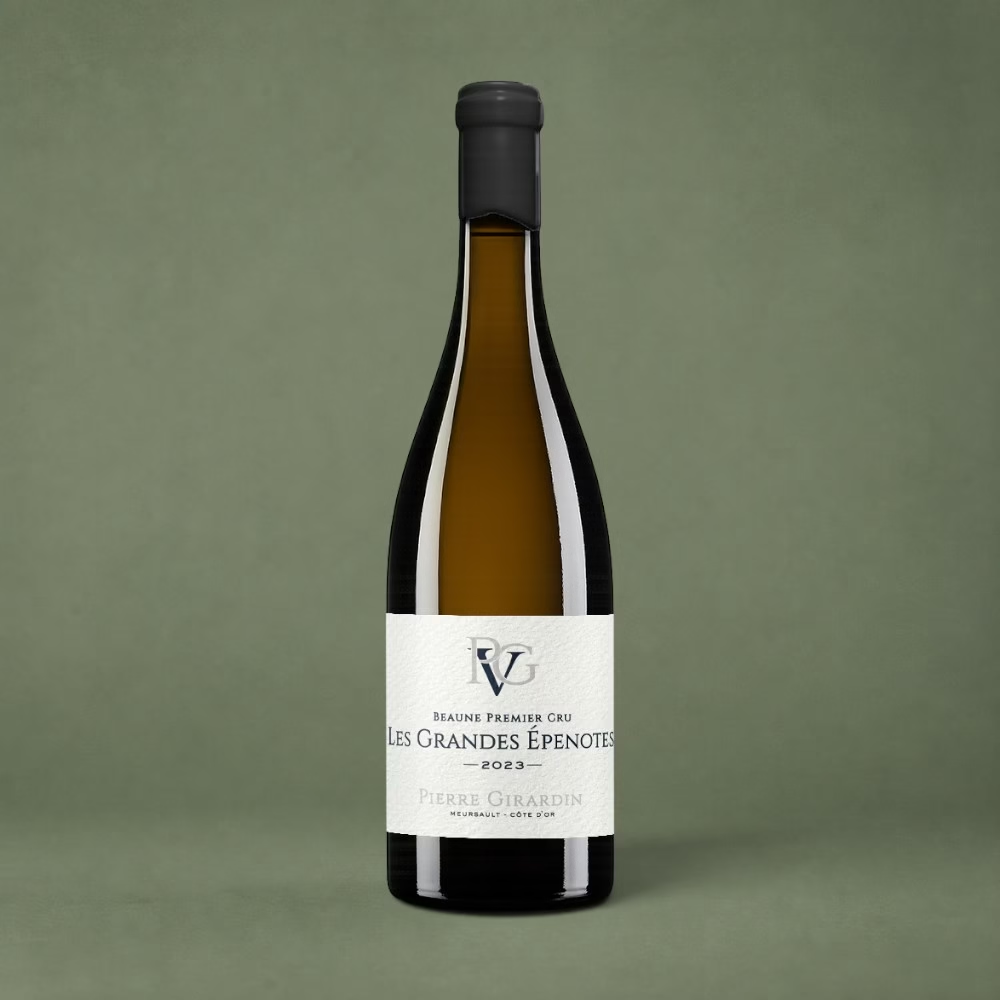


 Free Next Working Day Delivery over £199 | Order before 12PM
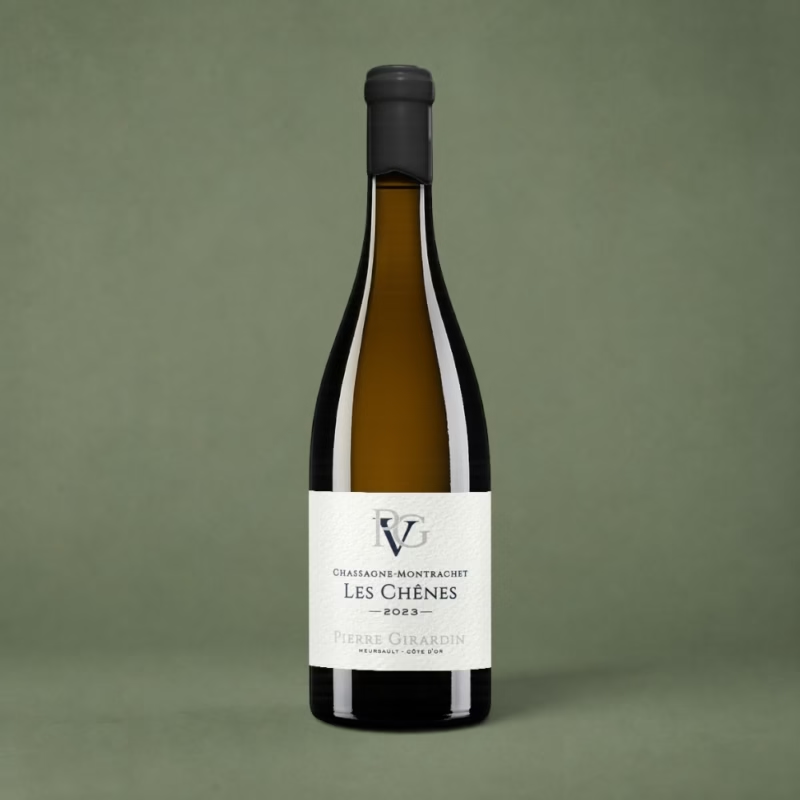
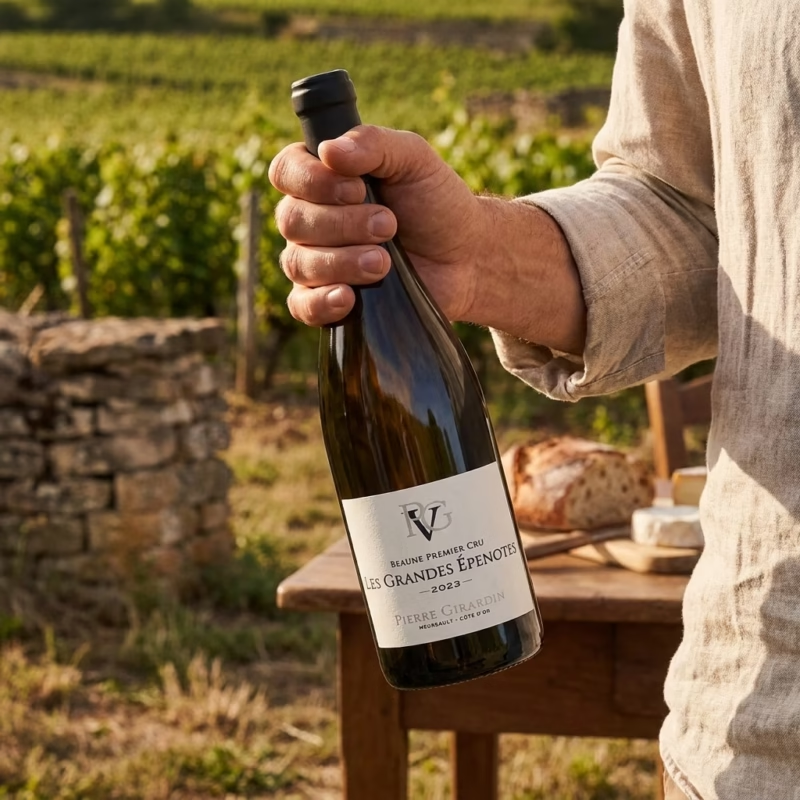
A serious white from Beaune. Mineral, structured, and quietly powerful.
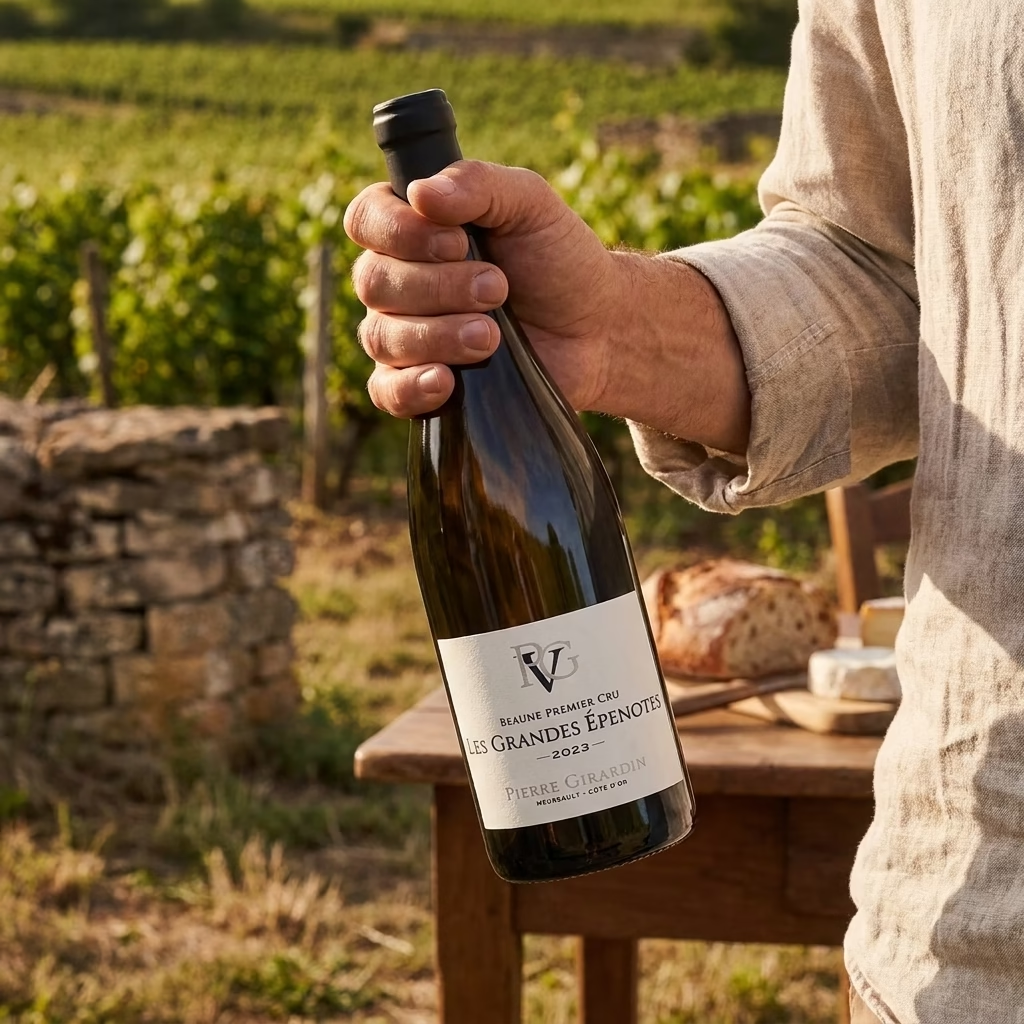
Finesse on the Surface. Structure Beneath.
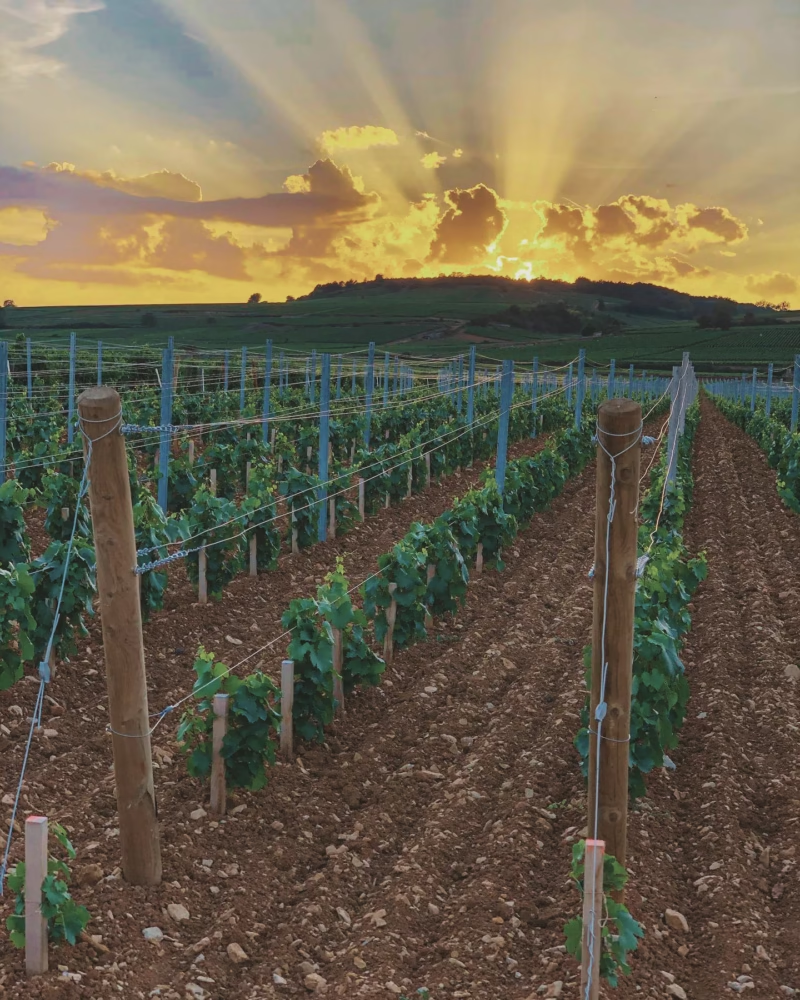
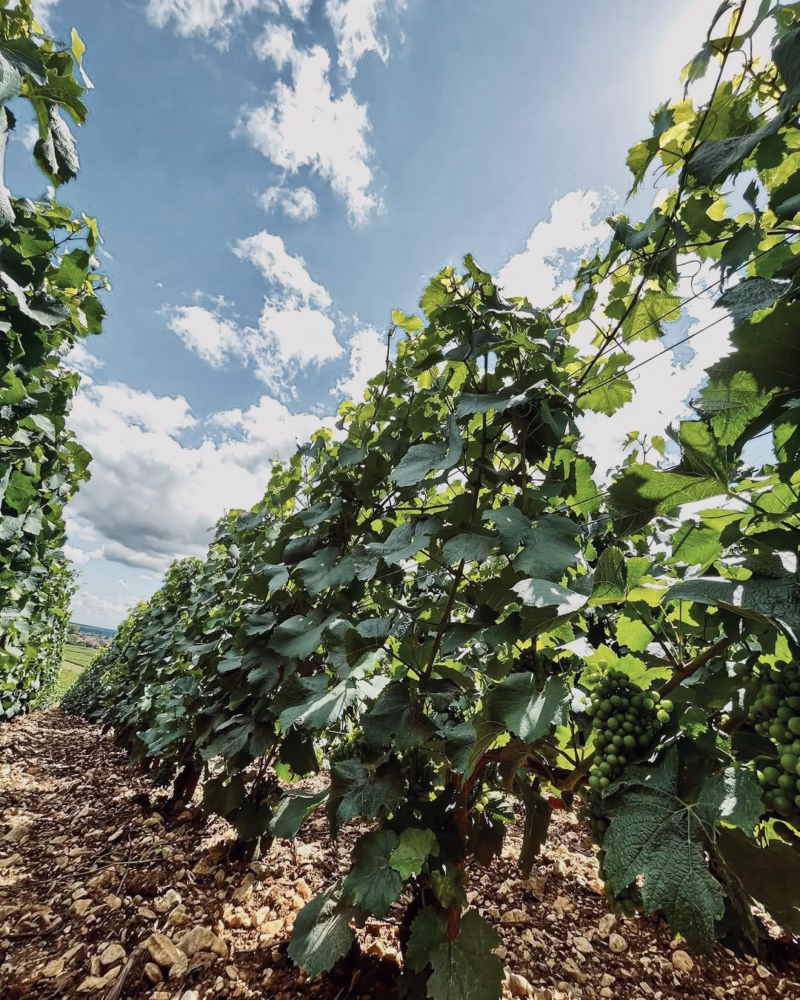
This is white Beaune with a serious edge. From a 1.1 hectare parcel sitting directly on the border with Pommard 1er Cru Les Épenots, the site brings something more than typical Beaune Blanc. Chalky, well-drained clay-limestone soils and a south-east exposure give both energy and underlying structure.
The nose is fresh and lifted. Citrus, white fruit, and a fine mineral line that immediately signals precision.
On the palate, it tightens into something more defined. There’s a natural structure here that feels almost unexpected for Beaune Blanc. Whole cluster adds shape and tension, giving the wine a clear framework without taking away its finesse.
Everything stays in balance. Freshness drives it forward, while a long, clean line of minerality holds it together.
This is not about richness. It’s about control, detail, and intent.

A little ritual of care in every box. Each bottle is hand-wrapped in our signature tissue, so opening your wine feels like unwrapping a gift.
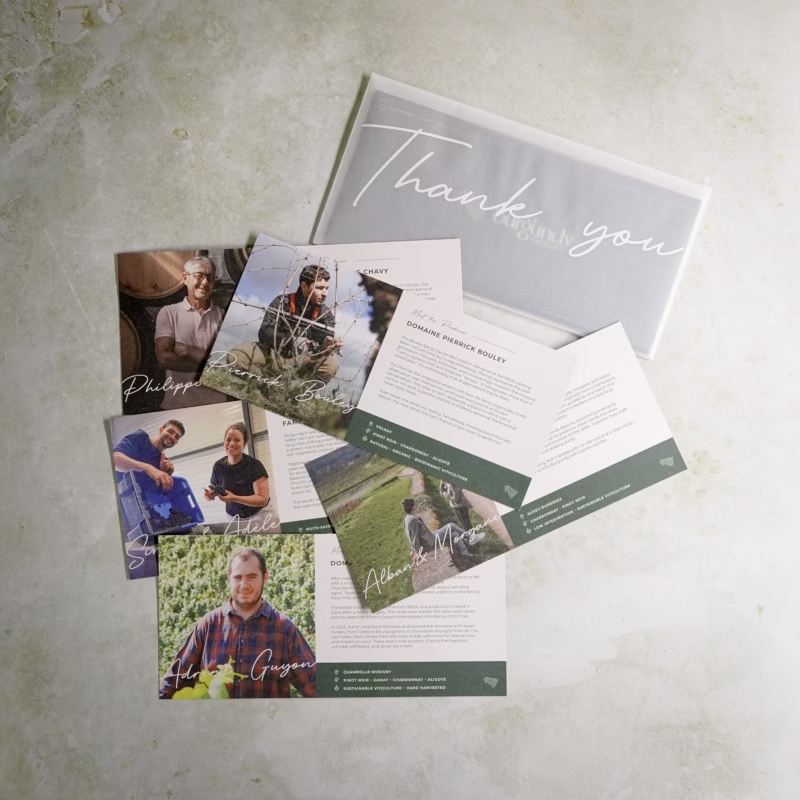
Discover the faces, stories, and passions behind your wines. Our producer cards bring you closer to the people who craft every bottle.

From elegant gift bags to wooden cases, you can elevate any bottle at checkout. Simple, thoughtful, and ready to impress.
Les Grandes Épenotes sits in Beaune, directly bordering Pommard 1er Cru Les Épenots. The 1.1 hectare parcel is planted on chalky, well-drained clay-limestone soils with a south-east exposure, allowing for both ripeness and freshness. Its position at the edge of Pommard brings added structure and tension to the wine, setting it apart from softer styles of Beaune Blanc.
100% Chardonnay from a 1.1 hectare parcel in Beaune Premier Cru Les Grandes Épenotes, bordering Pommard 1er Cru Les Épenots. The vineyard is planted on chalky clay-limestone soils with a south-east exposure, supporting both freshness and structural precision.
In the cellar, the approach mirrors the domaine’s white winemaking. Whole bunches are pressed long and firmly to extract maximum lees, with controlled oxidation only at this early stage. Fermentation takes place in custom 456-litre barrels for both alcoholic and malolactic fermentation, keeping oak influence subtle and allowing the vineyard to lead. From pressing to bottling, the wine is protected with nitrogen, preserving its tension, energy, and mineral clarity.
| Category | White |
|---|---|
| Producer | Pierre Girardin |
| Vintage | 2023 |
| Region | Burgundy |
| Subregion | Côte de Beaune |
| Appellation | Beaune Premier Cru |
| Classification | Premier Cru |
| Grape Variety | Chardonnay |
| ABV | 12.5% |
| Size | 75cl |
| Sustainability | Biodynamic Principles, Hand Harvested, Organic Principles |
| Serving Temperature | 12-14°C (an hour out of the fridge) |
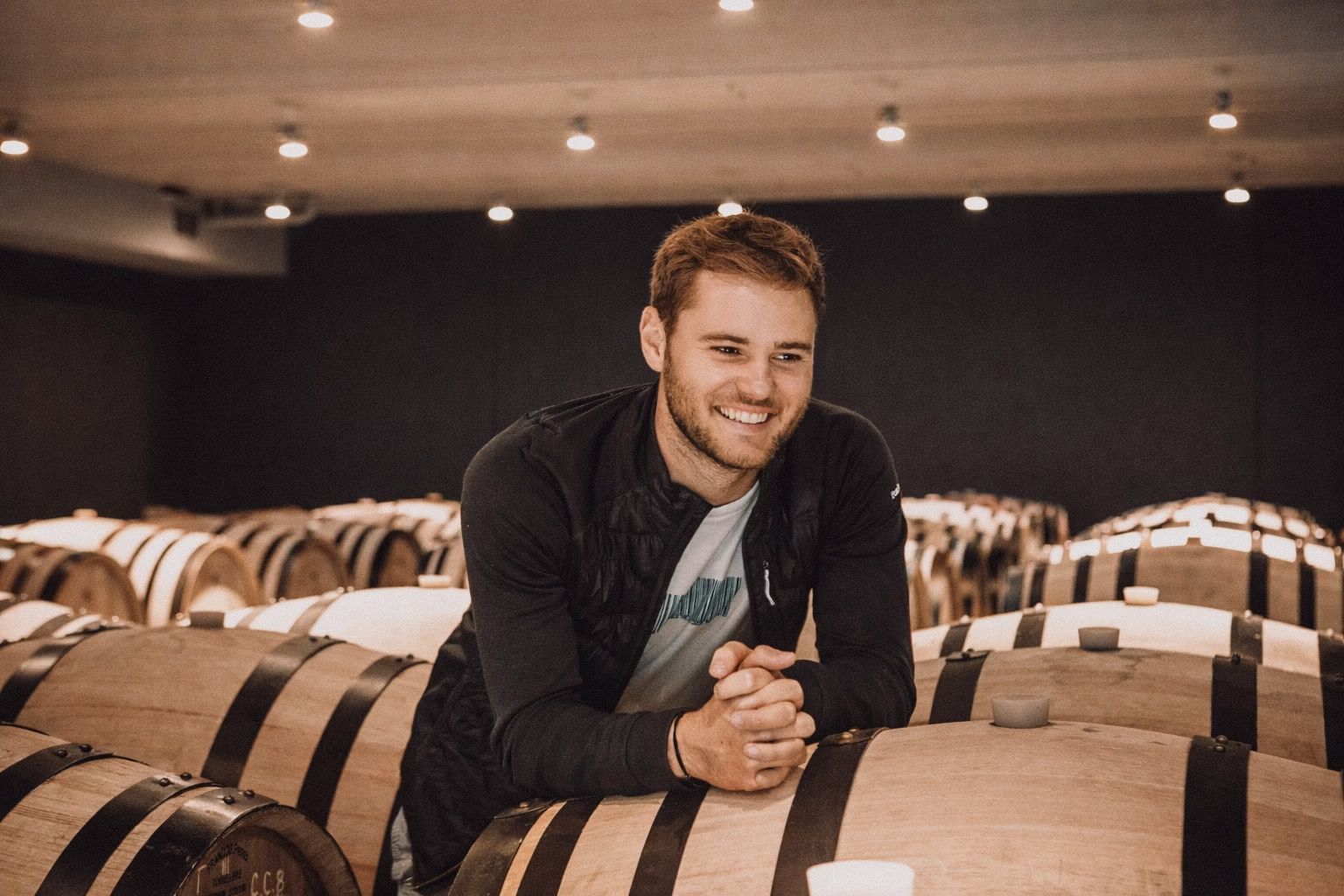
The story begins in 2017. At just eighteen years old, Pierre-Vincent Girardin founded his own domaine, working with a handful of exceptional vineyard parcels retained from his family’s historic holdings.
Raised in Meursault and shaped by generations of Burgundian winemaking, he works organically in the vineyards and has rapidly forged a style defined by purity, precision and energy. Already being compared to Coche-Dury & Pierre-Yves Colin-Morey, from the first taste, it’s clear why.
Why It Matters

No machines, only human hands selecting each grape with care & precision.

Grown with no synthetic chemicals and utmost respect for the terroir. Nature’s true expression in every sip.
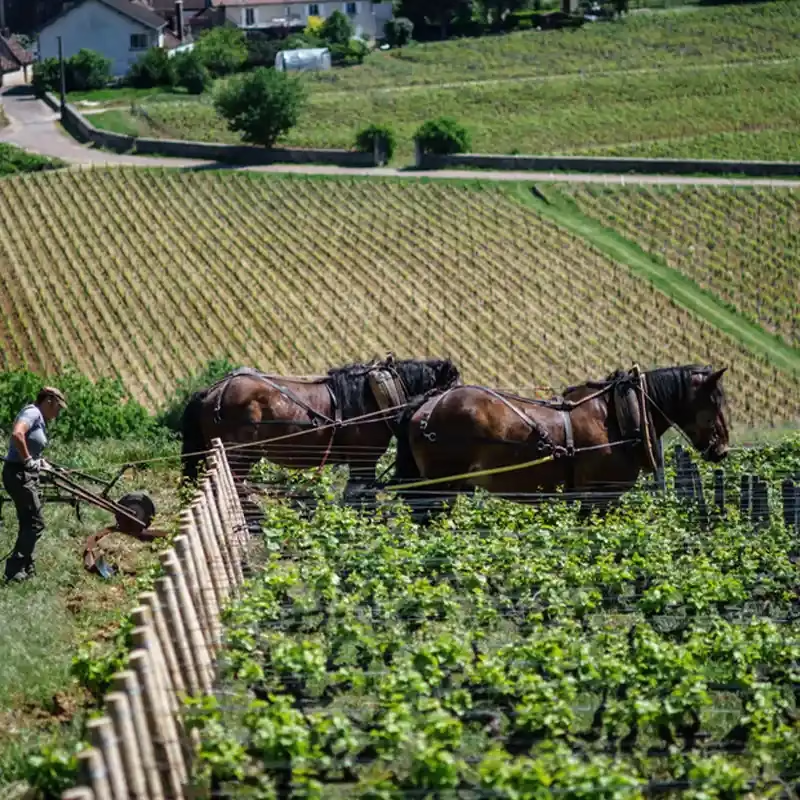
Produced in harmony with nature, using lunar cycles and organics to nurture vibrant, living soils.

Single Plot vineyards are the crown jewels of their Village, producing some of the finest wines in the world.
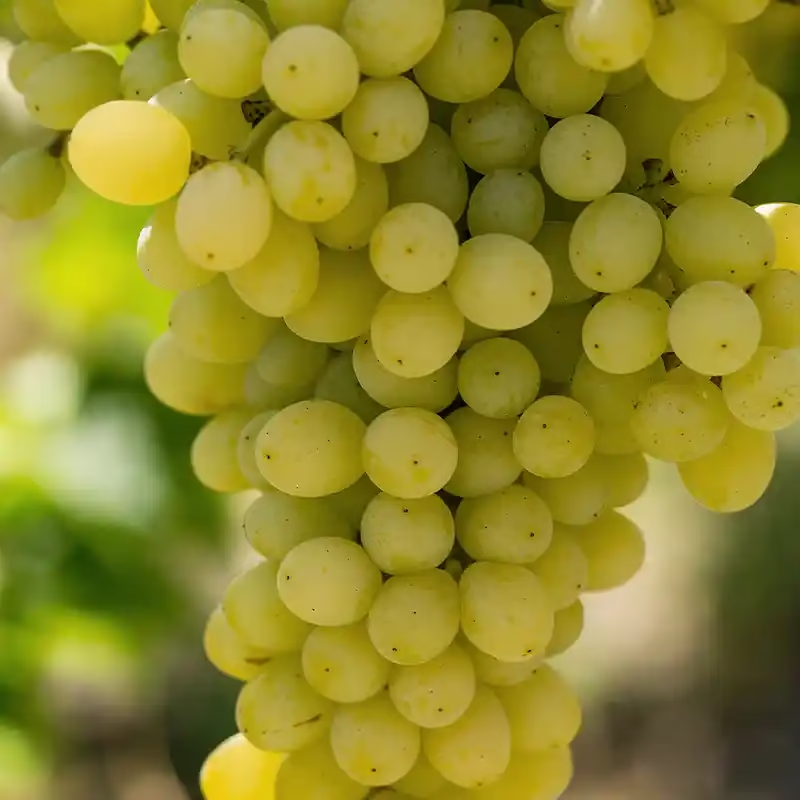
The crown jewel of white Burgundy. Elegant, textured, and endlessly expressive, from flinty Chablis to rich Meursault.
Discover the Region


Burgundy has crafted legendary wines for over 2,000 years. The birthplace of Pinot Noir and Chardonnay, it’s where every slope, village, and vineyard reveals its own voice of terroir.
You can grow vines almost anywhere, but only here is this magic bottled so beautifully.
There’s a saying amongst wine enthusiasts that all roads lead to Burgundy.
We say, why not start there...
What’s in the Box
A little ritual of care in every box. Each bottle is hand-wrapped in our signature tissue, so opening your wine feels like unwrapping a gift.
Discover the faces, stories, and passions behind your wines. Our producer cards bring you closer to the people who craft every bottle.
From elegant gift bags to wooden cases, you can elevate any bottle at checkout. Simple, thoughtful, and ready to impress.
£60.00
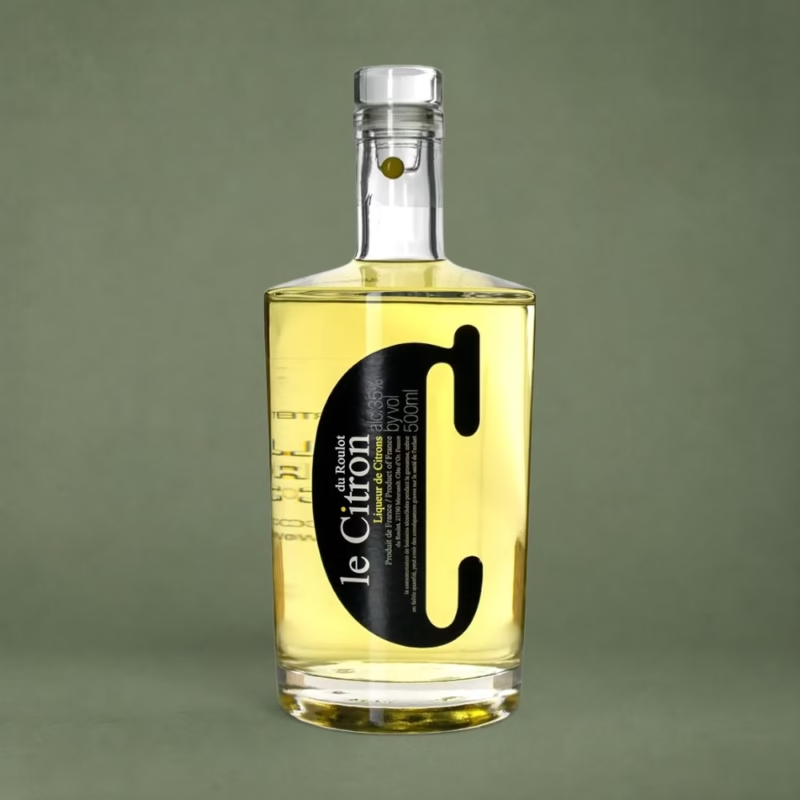
What happens when Meursault’s finest mind makes Lemon Liquer? This.
Price range: £75.00 through £450.00
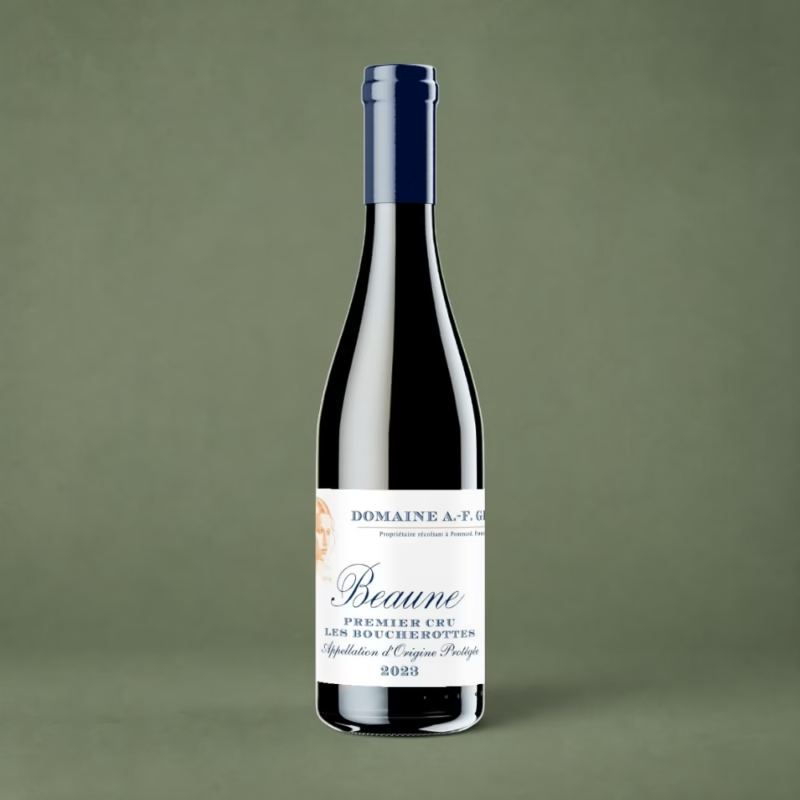
Just above Epenots. Just below Clos des Mouches. Beaune’s best-kept secret — until now & brimming with cherry charm 🏆
Price range: £73.00 through £438.00
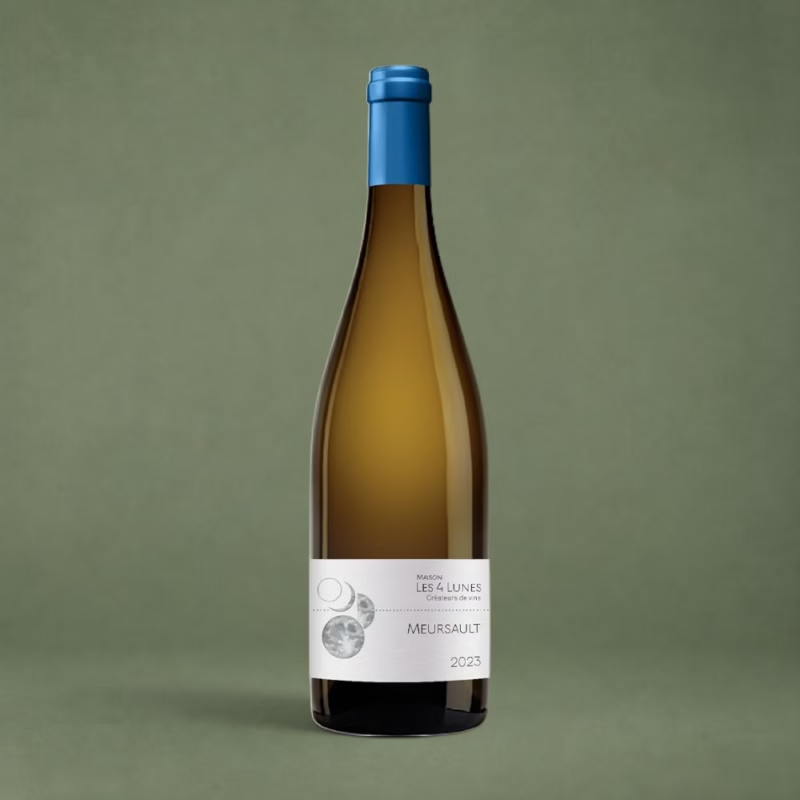
Signature Meursault: brioche, blossom, flinty spice & richness with a vibrant lift.
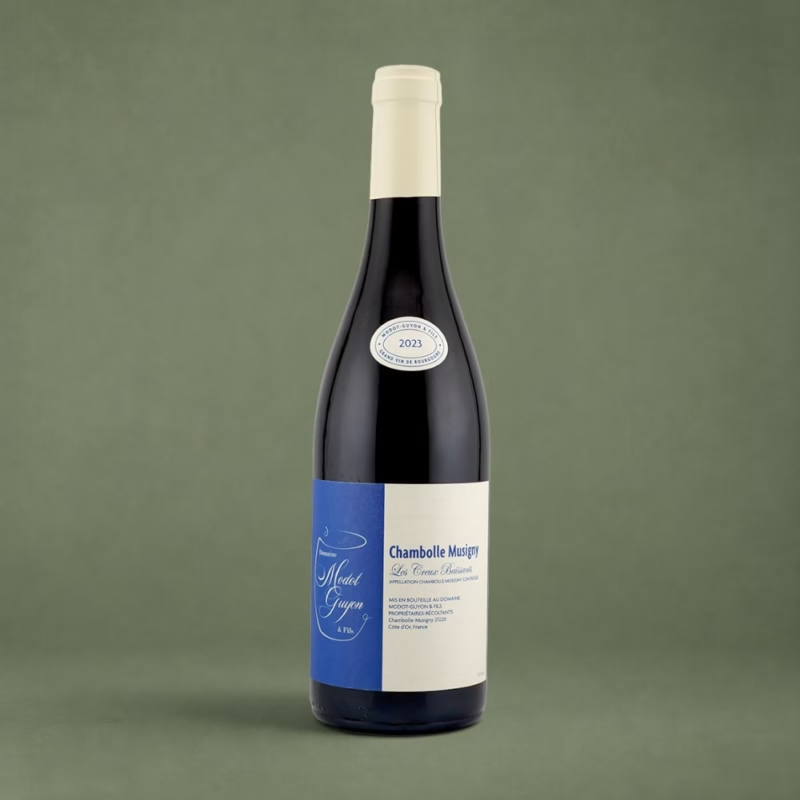
Price range: £61.00 through £366.00
Worked by hand. Ploughed by horse. A Chambolle single-site wonder with serious soul 🏇
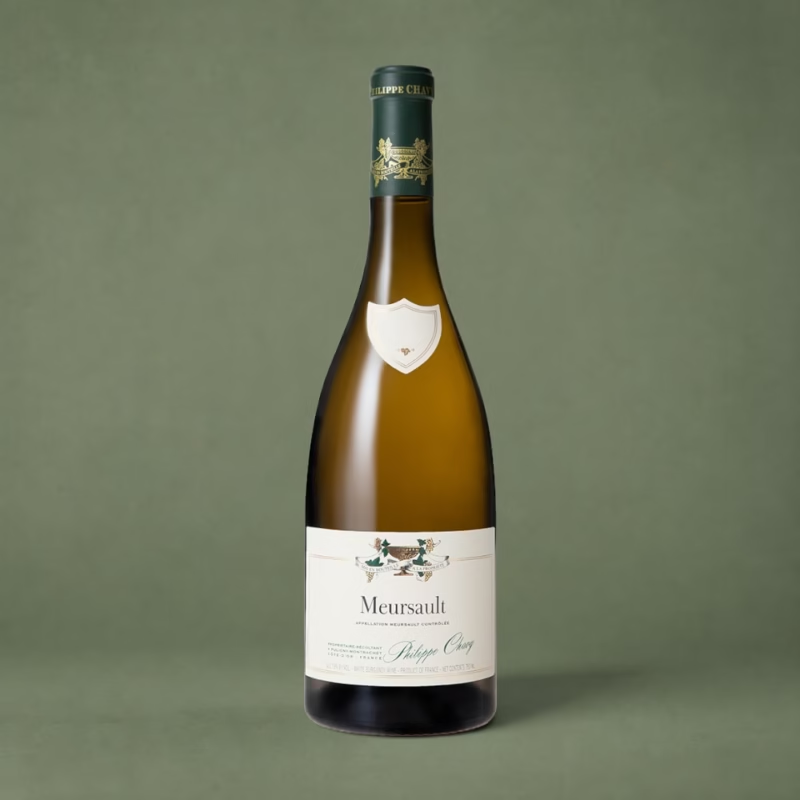
Price range: £66.00 through £396.00
Old-vine magic from vineyards brushing shoulders with Premier Cru. The result is seriously concentrated.
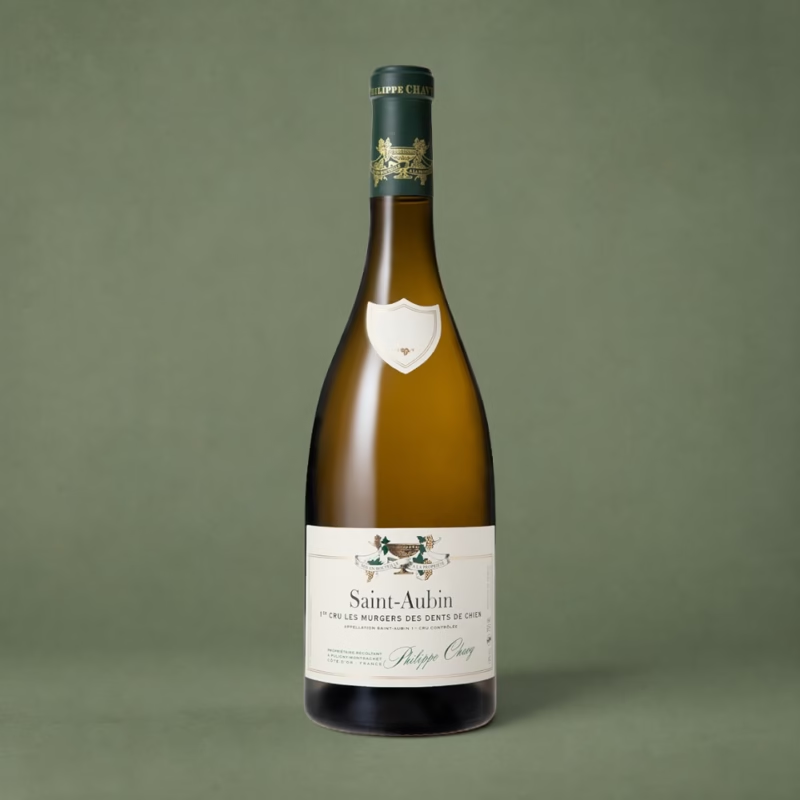
Price range: £79.00 through £474.00
One of Saint-Aubin’s great terroirs. Deep, energetic and beautifully precise, with lemon, peach, nectarine % superb mineral tensio

Welcome to Burgundy Wine Club
Log in or sign up with your email.
Leave your email and we’ll save your basket for later. No pressure, just a quiet reminder when you’re ready. As a thank you, we’ll also send you a 10% code.