★★★★★
“Feels like a part of France has come into our home and given much pleasure.”
Verified Reviewer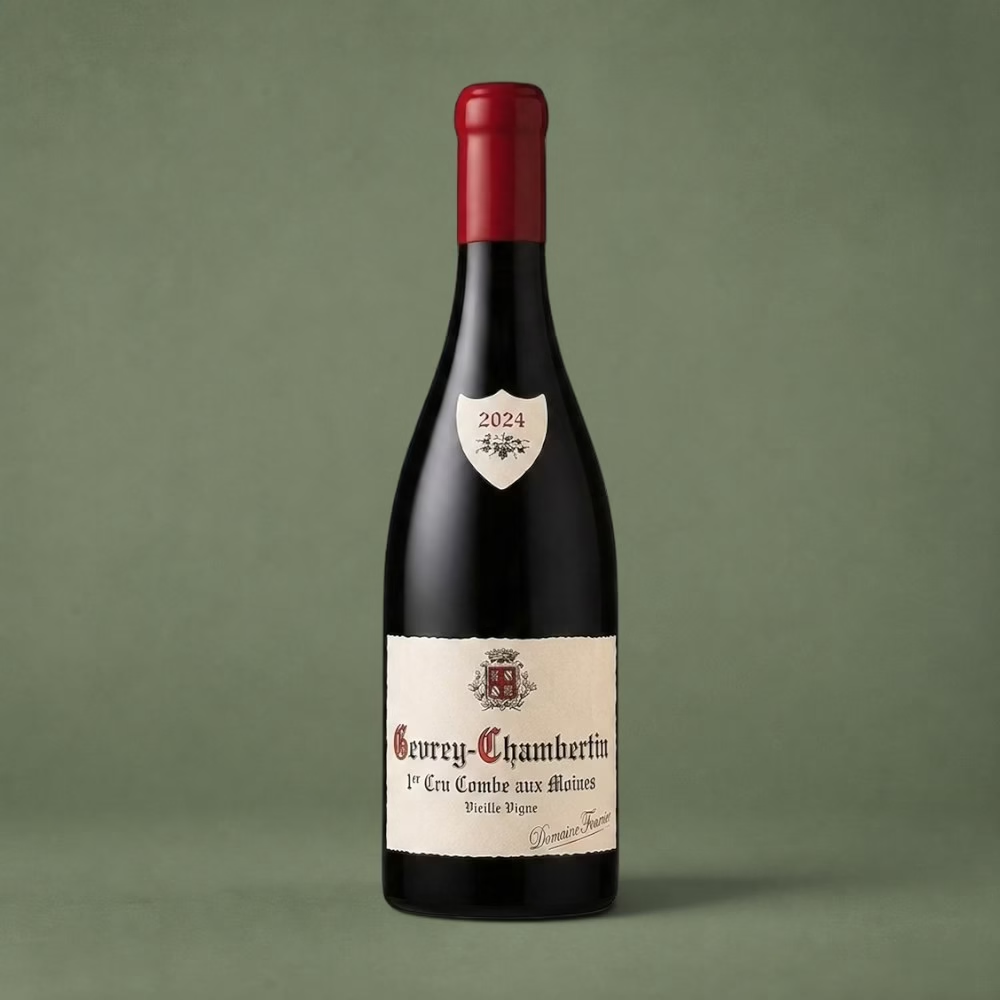


 Free Next Working Day Delivery over £199 | Order before 12PM
Old vines, ancient hillside, serious Gevrey power. Combe aux Moines is Fourrier with depth, history and patience.
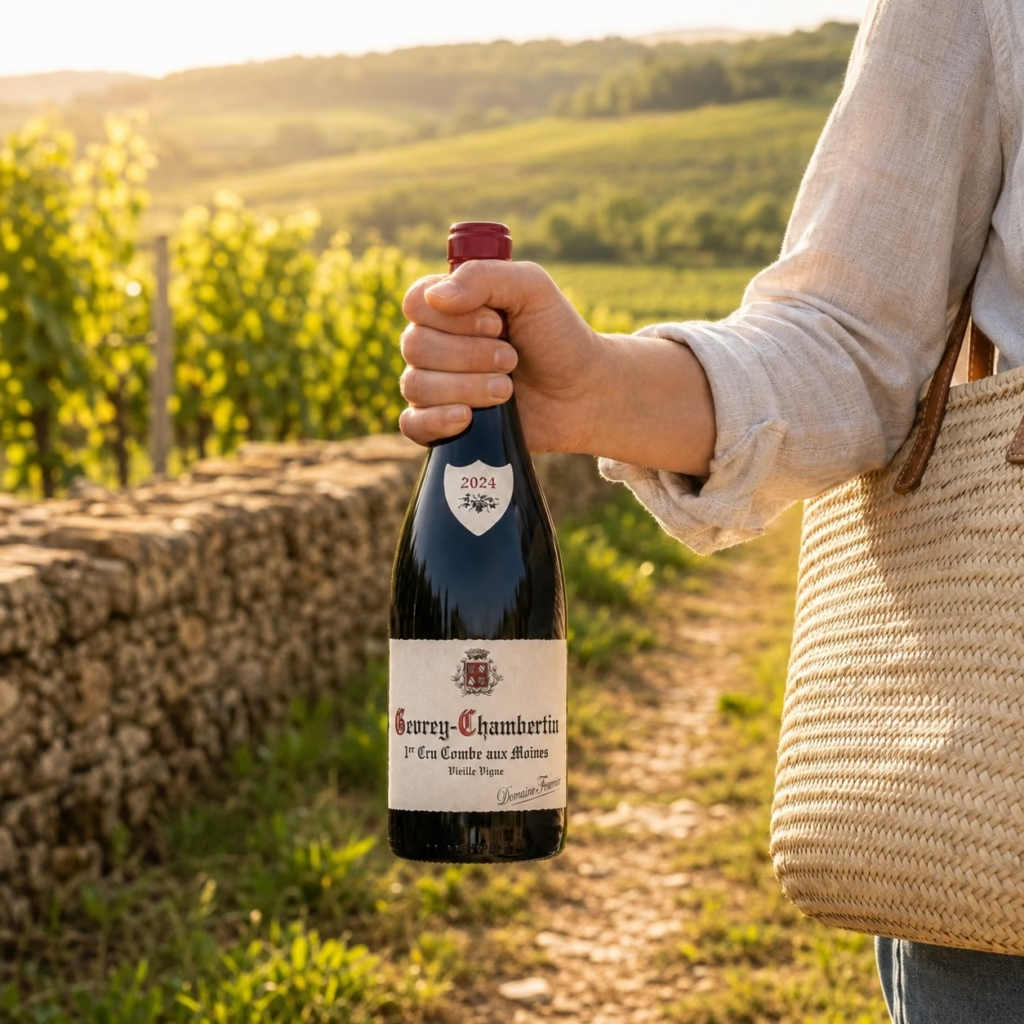
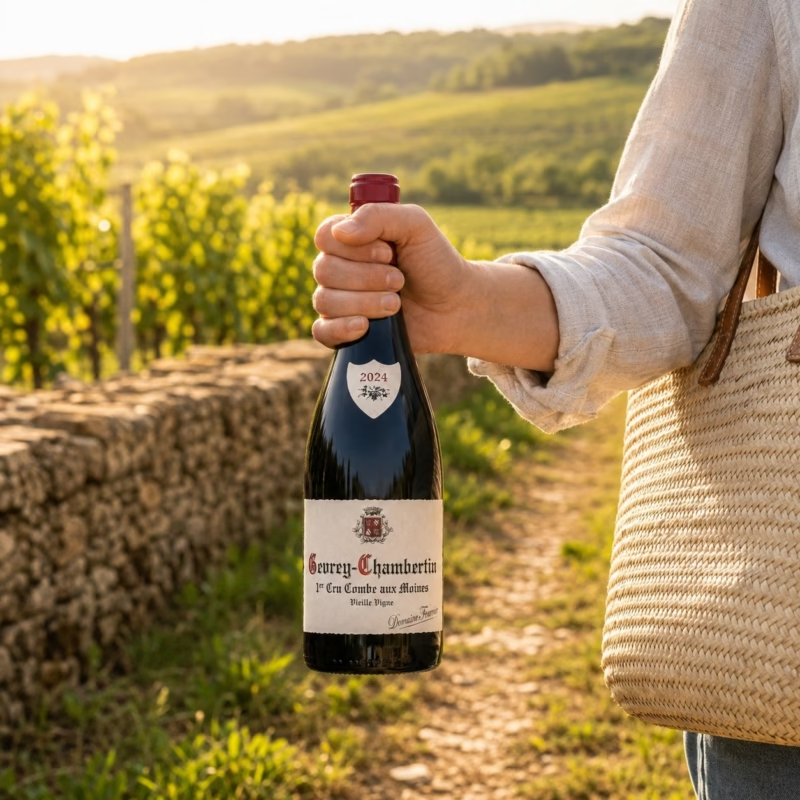
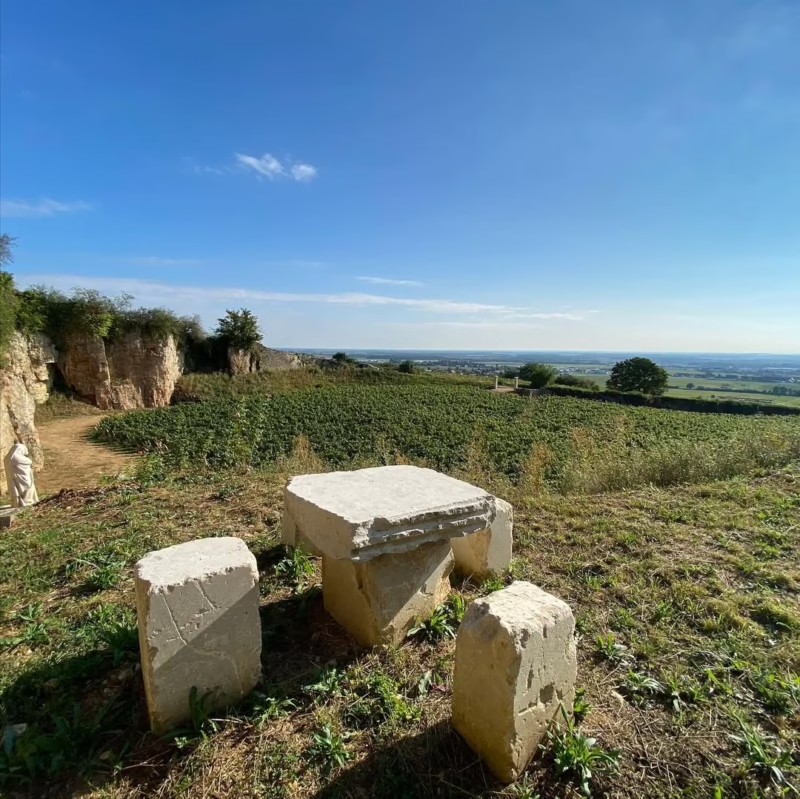
Translating as “valley of monks,” Combe aux Moines is one of Gevrey’s great historic hillsides. The vineyard has endured quietly for centuries, through revolutions, wars and everything in between, with vines said to have been grown on this hallowed site since the 7th century.
It sits in superb company too, continuing the same slope as the revered Clos Saint-Jacques and Cazetiers. That tells you exactly the sort of neighbourhood we are in: serious Gevrey, old bones, proper depth.
Fourrier’s vines were planted in 1928. Almost a century old, they now give very little fruit, but what they do give carries remarkable concentration. Tiny yields, old roots and that rare kind of depth that feels less like volume and more like gravity.
And every piece of that history seems to call through the wine. This is Combe aux Moines with power, but not heaviness. Planted on strong clay, it has a darker, more brooding edge than Cherbaudes, with vigorous red fruit, black cherry, redcurrant and pomegranate, all held together by the bright line of 2024 freshness.
There is real energy here. Tension, lift, bite and old-vine concentration. The fruit is juicy and vibrant, but the wine feels coiled, as though there is more waiting underneath the surface. It is not the most immediate of Fourrier’s Premier Crus, but that is part of the thrill.
One to cellar. One to watch. One that feels like it has been quietly gathering strength since 1928.

A little ritual of care in every box. Each bottle is hand-wrapped in our signature tissue, so opening your wine feels like unwrapping a gift.

Discover the faces, stories, and passions behind your wines. Our producer cards bring you closer to the people who craft every bottle.

From elegant gift bags to wooden cases, you can elevate any bottle at checkout. Simple, thoughtful, and ready to impress.
Combe aux Moines is one of Gevrey-Chambertin’s great historic Premier Cru sites, its name translating as “valley of monks.” Vines are said to have been grown here since the 7th century, and the vineyard continues the same slope as Clos Saint-Jacques and Cazetiers.
Fourrier’s vines here were planted in 1928, making them almost a century old. Set on strong clay, the site gives a darker, more structured expression of Gevrey, with depth, tension and old-vine authority rather than immediate charm.
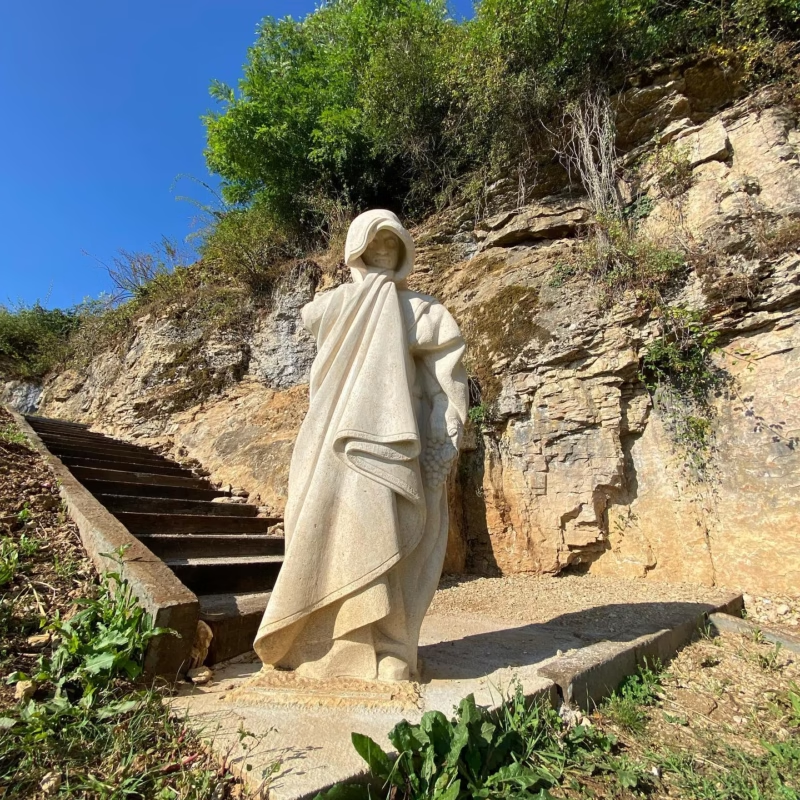
Jean-Marie Fourrier even had a statue of a monk carved to sit above the hillside and watch over the vines, just as the monks once would have done, walking, working and meditating across this ancient slope.
The 2024 Combe aux Moines is made with Fourrier’s usual restrained approach: careful destemming, native yeast fermentation and gentle infusion rather than heavy extraction. The aim is not to force power from the vineyard, but to let the old vines and strong clay speak with clarity.
As a Premier Cru, it is raised with 15% new oak, giving a little structure and quiet polish without covering the fruit.
| Category | Red |
|---|---|
| Producer | Domaine Fourrier |
| Vintage | 2024 |
| Region | Burgundy |
| Subregion | Côte de Nuits |
| Appellation | Gevrey Chambertin |
| Climat | Combe aux Moines |
| Classification | Premier Cru |
| Grape Variety | Pinot Noir |
| ABV | 13% |
| Size | 75cl |
| Sustainability | Biodynamic Principles, Hand Harvested |
| Serving Temperature | 16-17°C (room temperature) |
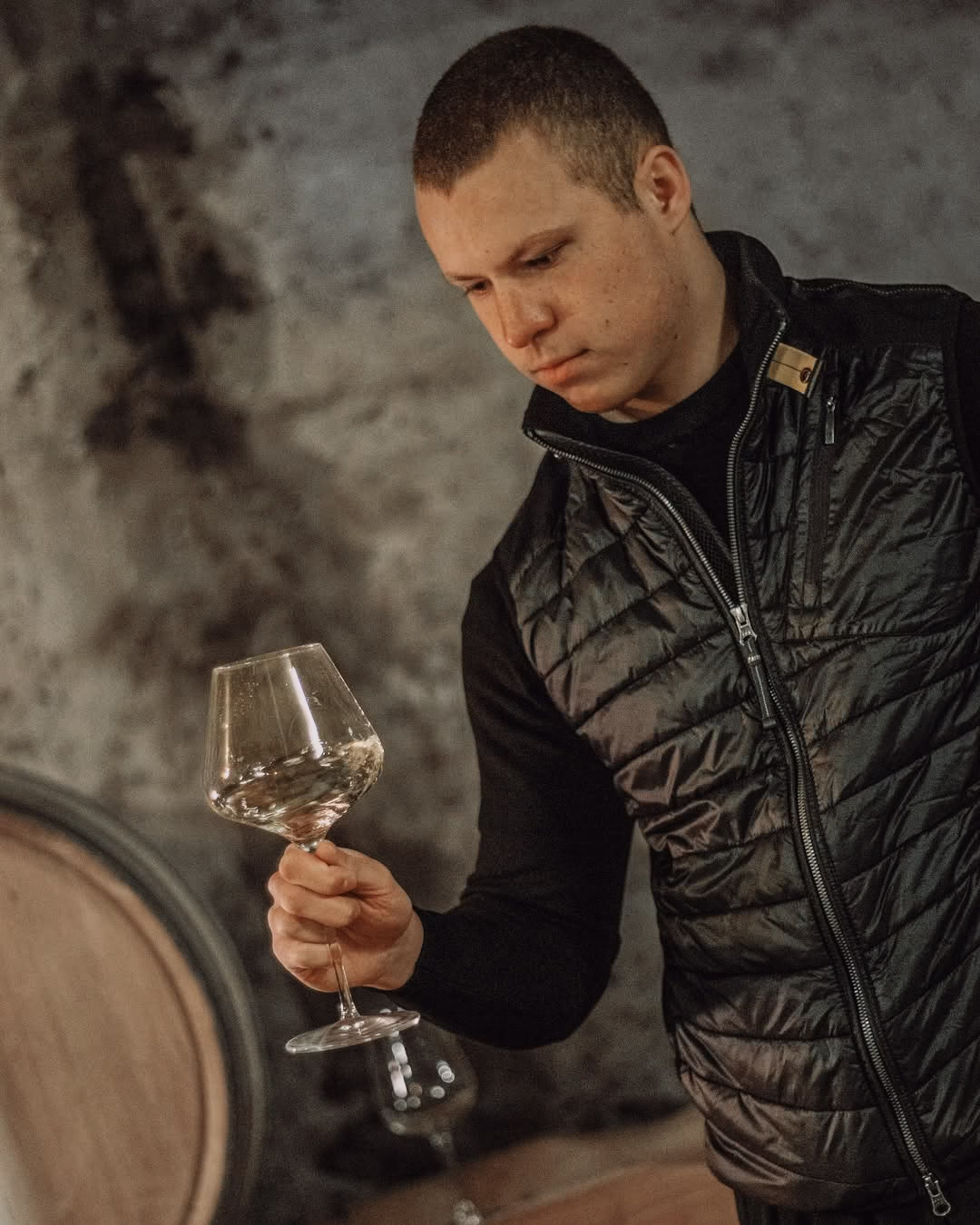
Domaine Fourrier is one of the great names of Burgundy, revered for wines that seem to float rather than force their way into the glass. Old vines, native yeasts, gentle extraction and a famously restrained hand in the cellar give the wines their signature: perfume, purity, silk and that unmistakable Gevrey depth.
Now led by Louis Fourrier, the fifth generation, the domaine continues to make Burgundy with astonishing finesse. These are not wines built on power for power’s sake, but on detail, grace and quiet intensity: rose petals, red fruit, mineral tension and the kind of beauty that reminds you why Burgundy gets under your skin in the first place.
Why It Matters

Exceptionally scarce and nearly impossible to find, a true hidden gem. A wine reserved for those who seek the extraordinary.

From a single, distinct vineyard each bottle captures the essence of its unique terroir. Capturing a singular place & time.

No machines, only human hands selecting each grape with care & precision.
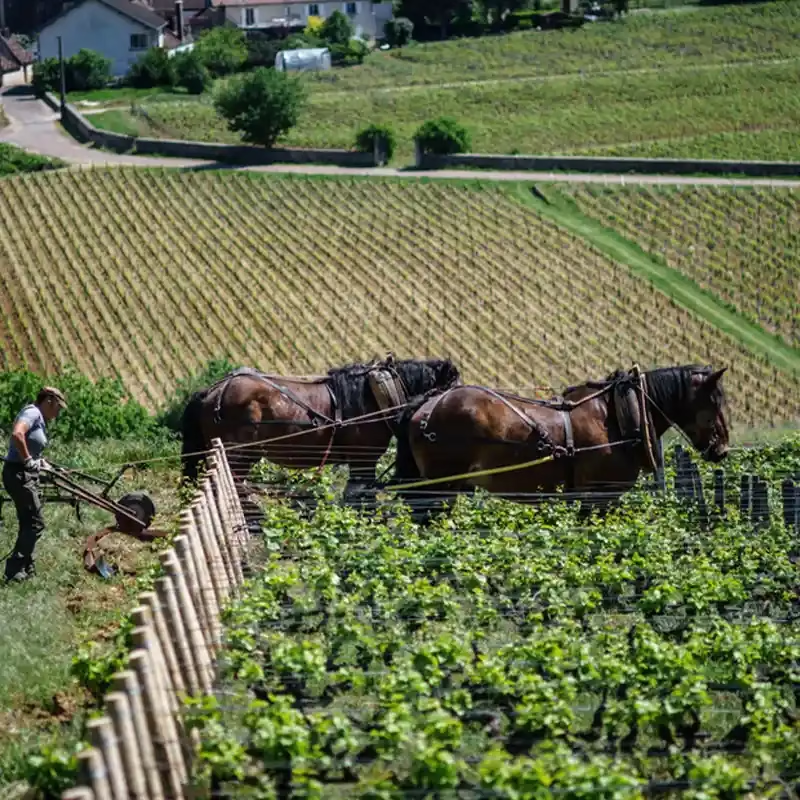
Produced in harmony with nature, using lunar cycles and organics to nurture vibrant, living soils.

Single Plot vineyards are the crown jewels of their Village, producing some of the finest wines in the world.

The signature red. Silky, complex, and hauntingly aromatic, capturing the essence of its terroir with every sip.
Discover the Region


Burgundy has crafted legendary wines for over 2,000 years. The birthplace of Pinot Noir and Chardonnay, it’s where every slope, village, and vineyard reveals its own voice of terroir.
You can grow vines almost anywhere, but only here is this magic bottled so beautifully.
There’s a saying amongst wine enthusiasts that all roads lead to Burgundy.
We say, why not start there...
What’s in the Box
A little ritual of care in every box. Each bottle is hand-wrapped in our signature tissue, so opening your wine feels like unwrapping a gift.
Discover the faces, stories, and passions behind your wines. Our producer cards bring you closer to the people who craft every bottle.
From elegant gift bags to wooden cases, you can elevate any bottle at checkout. Simple, thoughtful, and ready to impress.
Original price was: £216.45.£199.00Current price is: £199.00.
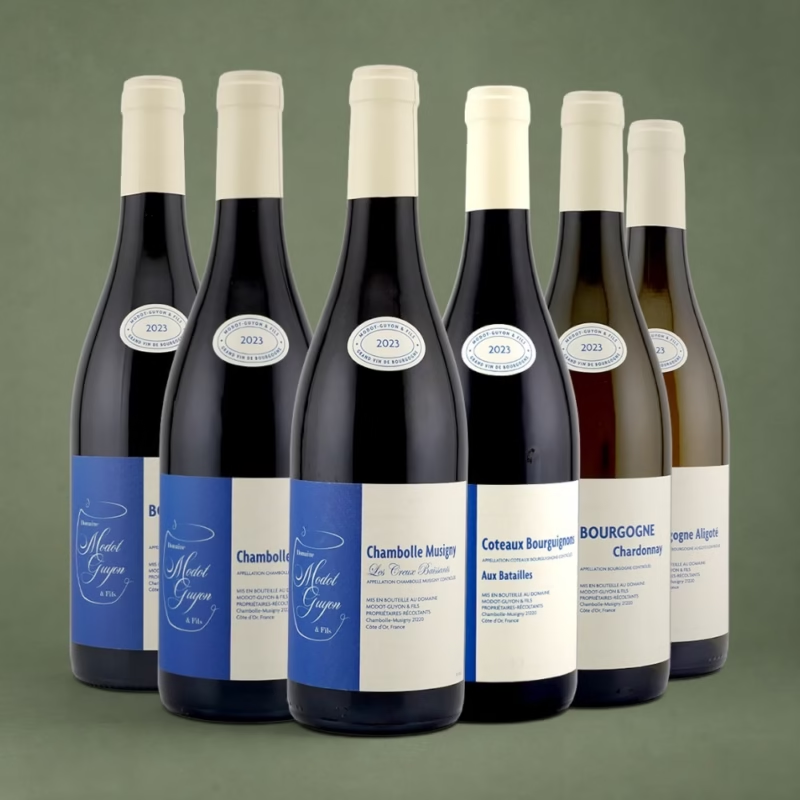
Worked by hand. Ploughed by horse. A Chambolle single-site wonder with serious soul 🏇
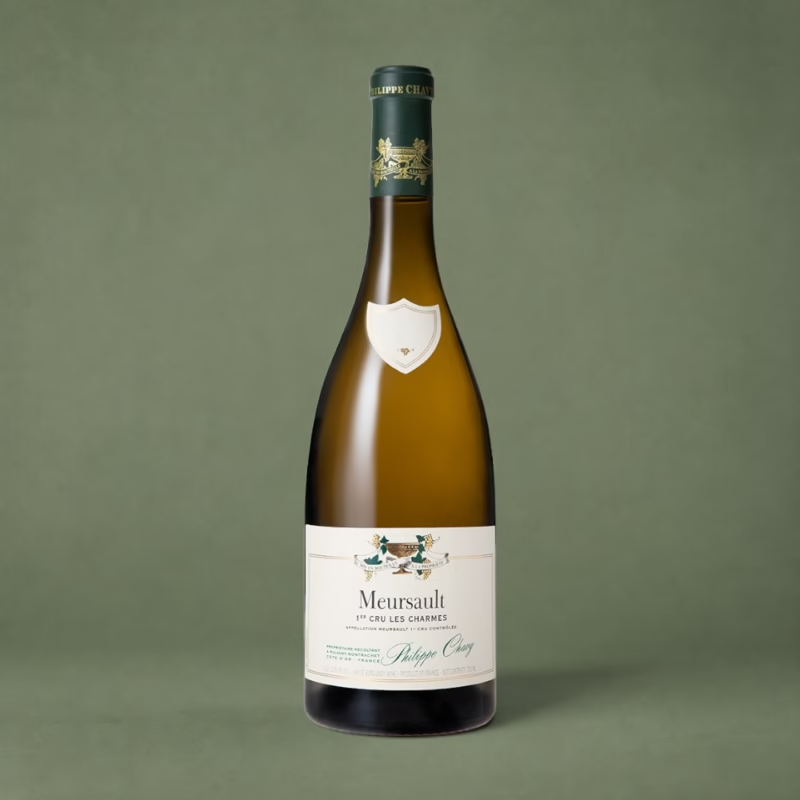
Price range: £140.00 through £840.00
Old vines, real depth – classic Meursault with a playful spark from one the greatest vineyards of the Côte de Beaune.
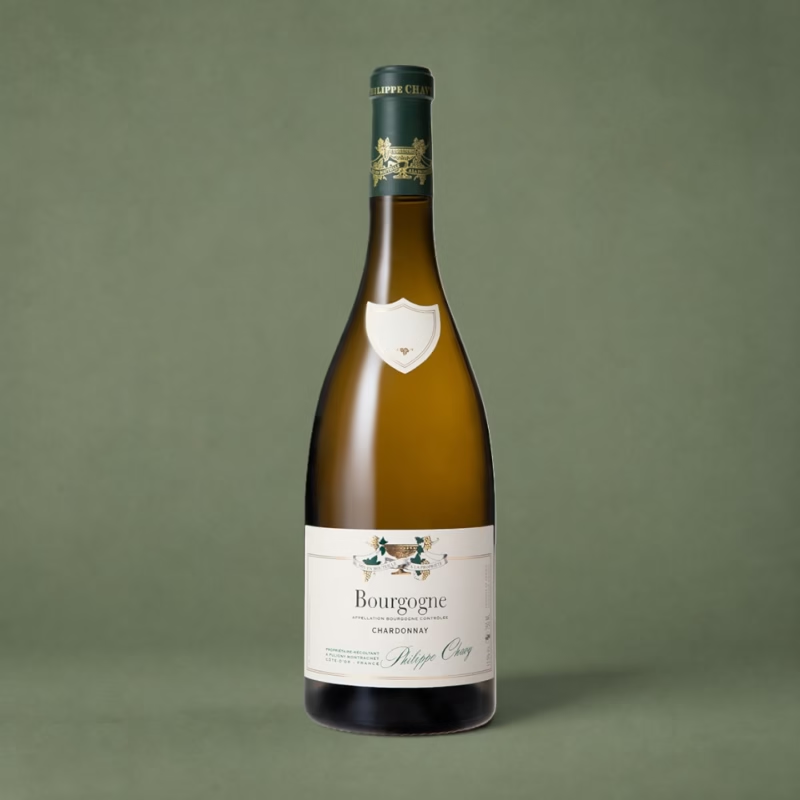
Price range: £33.00 through £198.00
Bourgogne in name, Puligny in spirit. Bright, elegant, utterly delicious. A baby Puligny if there ever was one.
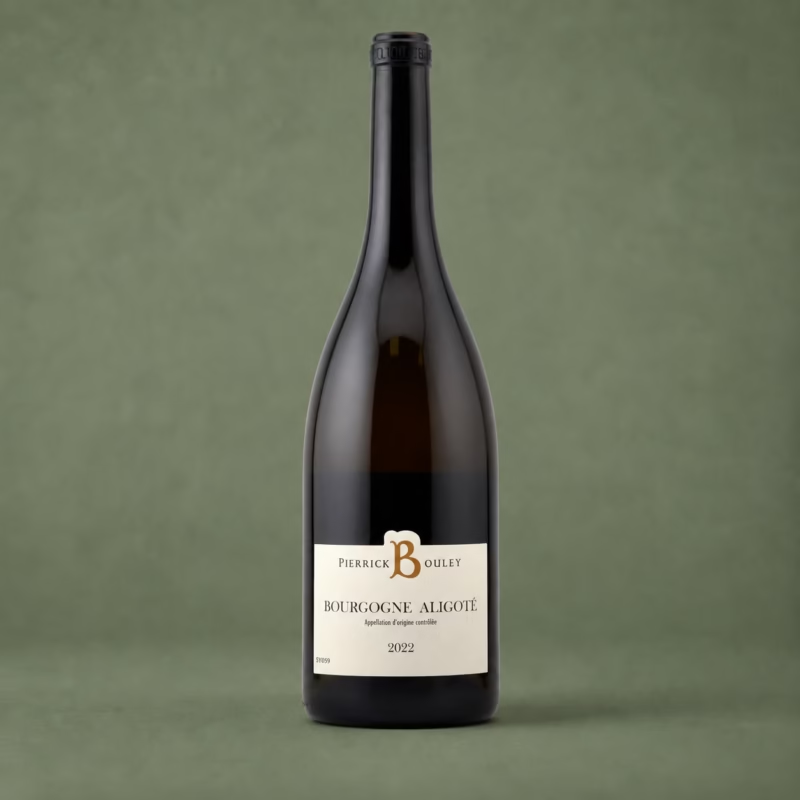
Price range: £31.00 through £186.00
Zippy, salty, and gloriously fresh. From 70-year-old vines at the foot of Volnay. Aligoté with swagger. UK Exclusive.
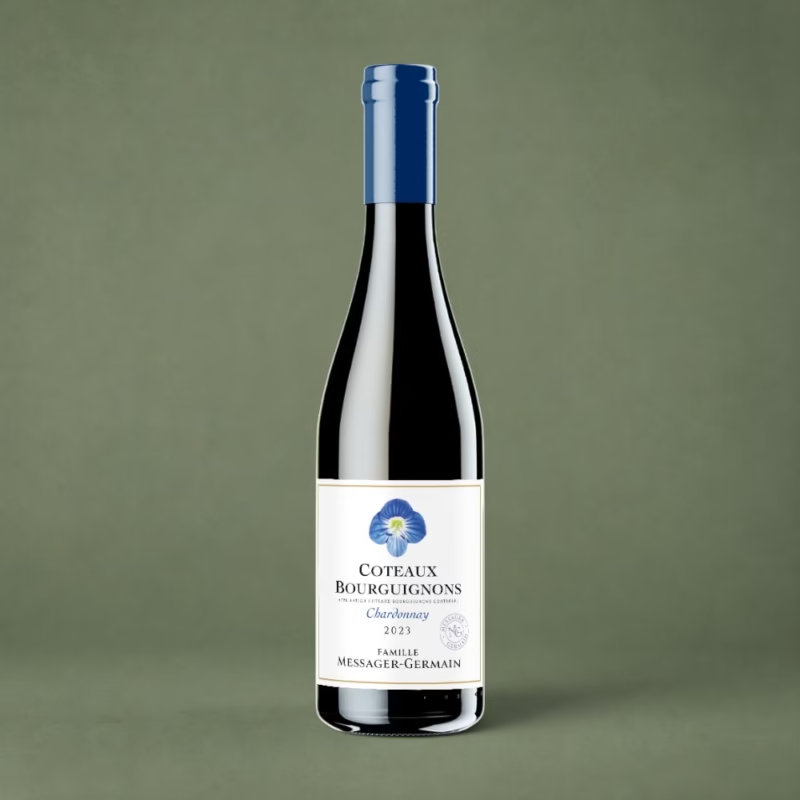
Price range: £33.00 through £198.00
Sunshine in a glass. Exotic fruit, citrus zip, and mineral freshness—all wrapped up in a gorgeously golden glow.
Price range: £140.00 through £840.00
A wine of power and sparkle, destined for greatness from one of Meursault's finest vineyards. Les Charmes in full, glorious voice.

Welcome to Burgundy Wine Club
Log in or sign up with your email.
Leave your email and we’ll save your basket for later. No pressure, just a quiet reminder when you’re ready. As a thank you, we’ll also send you a 10% code.